
Archive
-

03 June 2026
Meet the staff - Jonny Owen
Meet Wilder Learning Manager Jonny Owen and learn about Brownsea Island and Rave Therapy!
-
01 June 2026
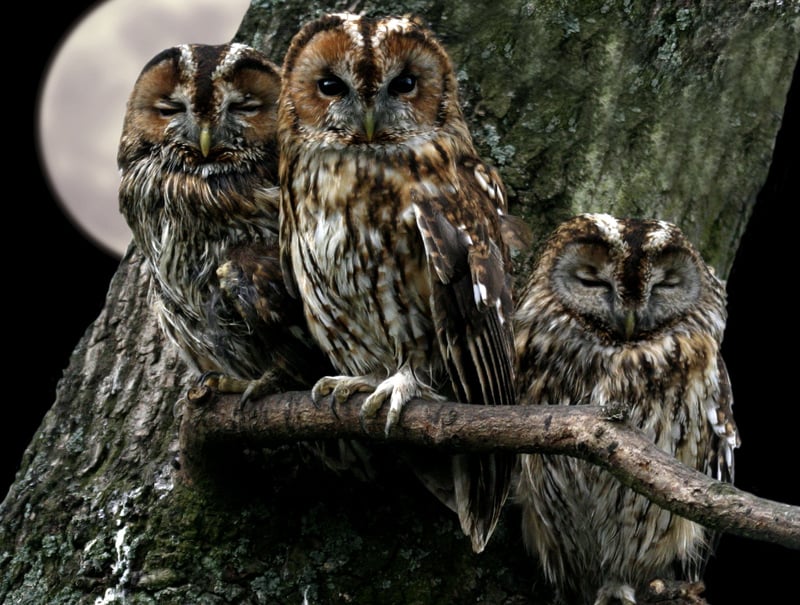
The results are in - what's next for nature?
We’re asking newly elected county councillors what’s next for nature recovery in Sussex?
-
01 June 2026
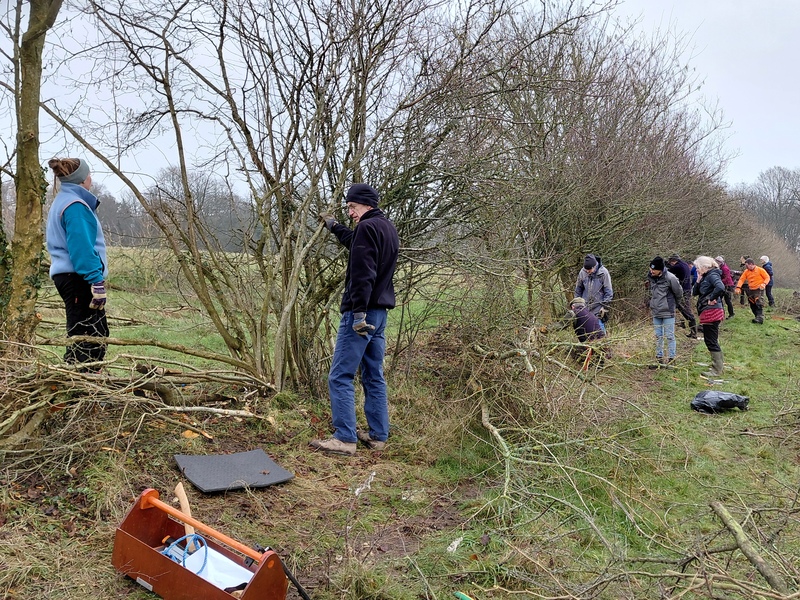
Volunteer impact on the Wilder Horsham District project 2026
Find out about the amazing impact of the Wilder Horsham District volunteers
-
28 May 2026
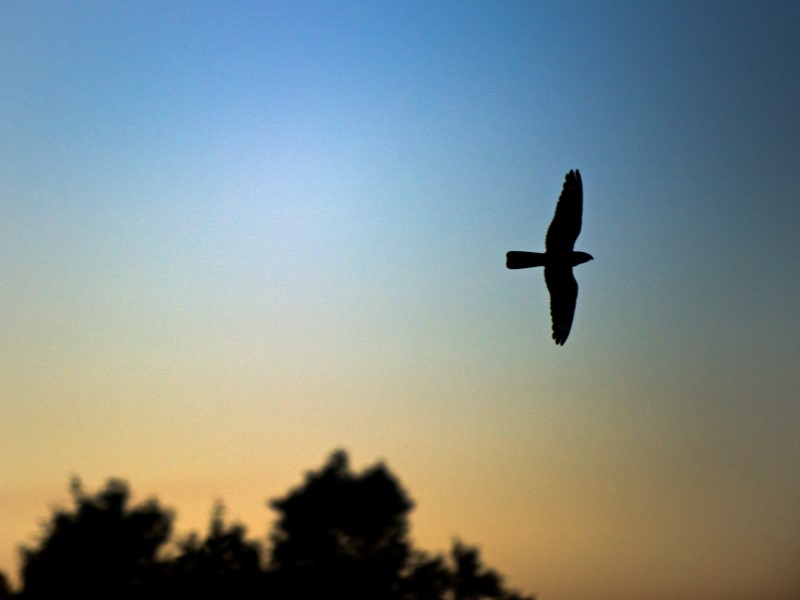
Churr delight: Nightjar season
The churring of a Nightjar - more electricity substation than typical birdsong, and all the weirder when enjoyed in the dark.
-
22 May 2026
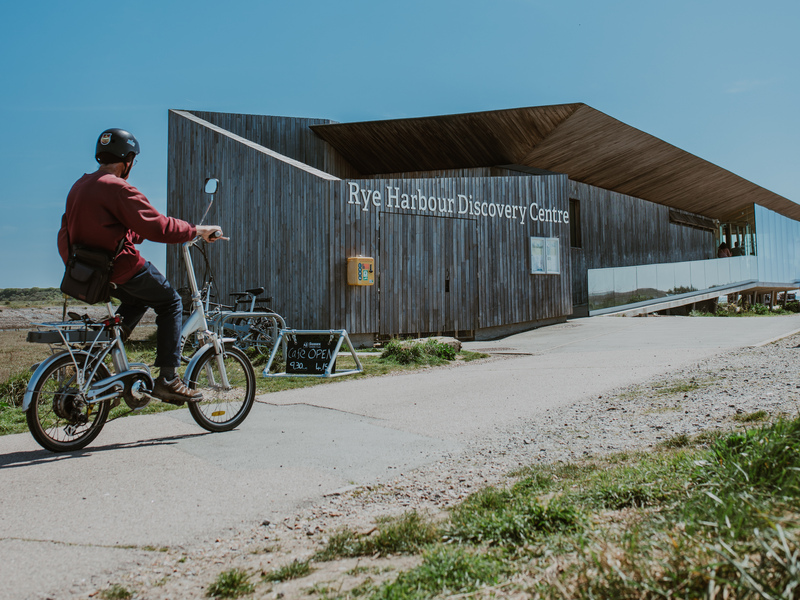
Celebrating 5 years since the Discovery Centre opened
Celebrating five years since the Discovery Centre opened its doors.
-

21 May 2026
10,000 call for ban on bio-beads
Sussex Wildlife Trust joined Helena Dollimore MP at 10 Downing Street today to deliver a petition calling on water companies to stop using bio-beads in wastewater treatment
-
20 May 2026
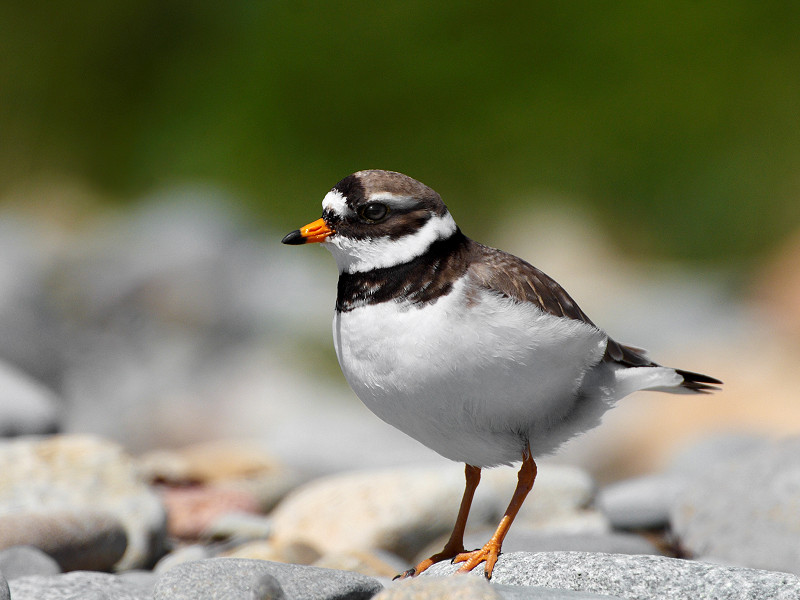
Respecting the fourth wall: preventing Ringed Plover disturbance
The art of deception brings pros and cons for one of our most vulnerable species - luckily, there is a simple act you can do to protect them.
-
19 May 2026
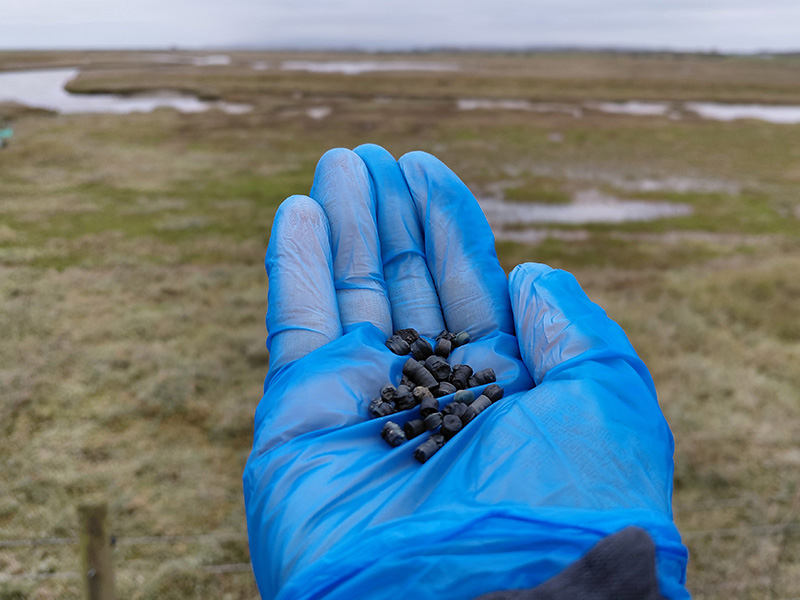
Bio-beads update: Letter to Minister for Water
We have written to the Minister for Water, Emma Hardy MP, highlighting the need for action in relation to the bio-beads pollution incident
-

17 May 2026
Meet the CEO - Nic Scothern
Meet new CEO Nic Scothern and find out about growing up amongst urban wildlife
-

13 May 2026
Sir David Attenborough at 100 - a celebration of nature and community
We joined forces with the De La Warr Pavilion in Bexhill for Attenborough Appreciation Day to celebrate a big birthday and the nature on our doorstep.
-
12 May 2026
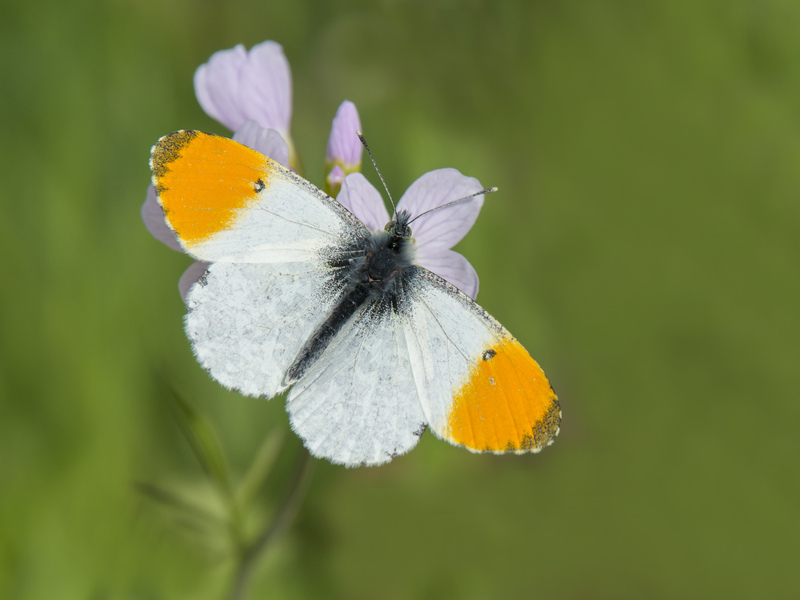
Eastbourne Group activities - April 2026
Walks and talks. Find out what the Eastbourne Group got up to in April 2026
-
11 May 2026
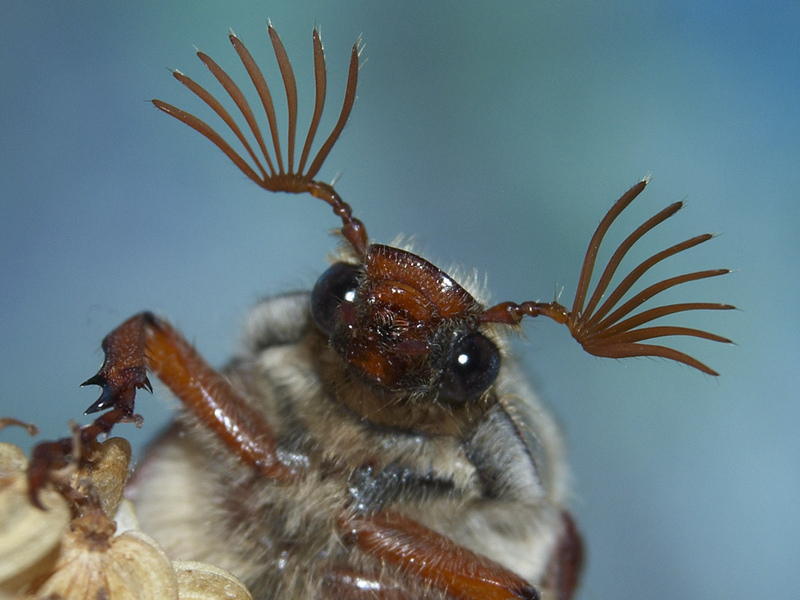
Bumbling beetles! It's the Cockchafer
They live for only six to eight weeks and their sole, sometimes frantic, mission is to reproduce. Meet the Cockchafer.